AVP Research Foundation | Clinical Care, Research & Ayurvedic Education

AVPRF Blogs & Insights

Knowledge for Better Health, Inspired by Ayurveda

Explore expert insights, Ayurvedic perspectives, health guidance, research updates, and practical wellness information from AVP Research Foundation.
Showing 10 of 31 articles
Blog Menopause—A pause while you reappraise yourself

Menopause—A pause while you reappraise yourself

Menopause is a time in a Women’s life that marks the end of her menstrual cycles. It's diagnosed after she has gone 12 months without a menstrual period. Menopause can happen in the age of 40s or 50s, but the average age is 46 years in India. Menopause is a transition of life and not a disease. Every woman should welcome these changes with an optimistic attitude. Certainly, menopause is a natural biological event, but many women do respond differently and may need intervention by a health care provider to help optimize the quality of her life. Symptoms associated with menopause include irregular menstruation, hot flushes, dry eyes, sleep disorders, fatigue, weight gain, muscle pain, bone loss, frequent urination, mood changes, vaginal dryness, loss of libido, etc.

Dr. Somit Kumar 17 Sep 2026
Read More
Blog It's time to say—Goodbye PCOD with Ayurveda!

It's time to say—Goodbye PCOD with Ayurveda!

PCOD (Polycystic Ovarian Disease) is a medical condition in which the woman's ovaries produce immature or partially mature eggs in large numbers. Over time, these become cysts in the ovaries. It is a hormonal disorder causing enlarged ovaries with small cysts on the outer edges. A study by ...

Dr. Somit Kumar 17 Sep 2026
Read More
Blog An Ayurvedic Sleep Cognizance For Night Owls And Day sleepers!

An Ayurvedic Sleep Cognizance For Night Owls And Day sleepers!

One of the most fundamental elements of human physiology is Nidra (sleep). Along with Ahara (food) and Brahmacharya (celibacy), it is regarded as one of the three foundations of wellness. Getting enough sleep is necessary for good health and longevity. According to Acharya Charaka, the indi...

Dr. Uma V 17 Sep 2026
Read More
Blog Foods that Heal — Best foods for people with Diabetes

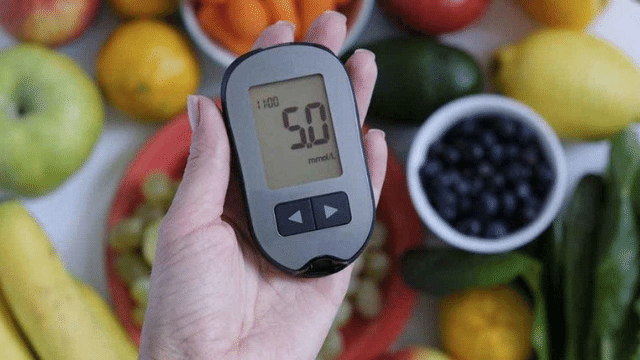
Foods that Heal — Best foods for people with Diabetes

Diabetes is a chronic metabolic condition marked by high blood glucose (or blood sugar) levels, which can cause catastrophic damage to the heart, blood vessels, eyes, kidneys, and nerves over time. The medications currently in practice have not eradicated the disease and in most cases, it f...

Dr. Somit Kumar 17 Sep 2026
Read More
Blog How Ayurveda works in treating common neurological disorders

How Ayurveda works in treating common neurological disorders

The nervous system is a sophisticated and complicated system that controls and directs the body's fundamental processes and activities. This system is in charge of our entire body and plays an important role in helping us to perform our day-to-day activities with ease. Every activity we perform is dependent on intricate neurophysiology, starting from digestion to endocrine function. The central nervous system (which includes the brain and spinal cord) and the peripheral nervous system (consisting of all other neural elements) are the two primary divisions of the human nervous system.

Dr. Somit Kumar 17 Sep 2026
Read More
Blog How does one achieve Anti- Aging through Ayurveda?

How does one achieve Anti- Aging through Ayurveda?

In the beauty, health, and wellness sector, the link between Ayurveda, anti-aging, and cosmeceuticals is gaining traction. The origins of Ayurvedic cosmeceuticals or, in short, ayurvedic anti-aging treatment may be traced back to the Indus Valley Civilization.

Dr. Somit Kumar 17 Sep 2026
Read More
Blog Definition of Being Healthy: What Ayurveda says

Definition of Being Healthy: What Ayurveda says

‘The greatest wealth is health’ as quoted by the Roman poet Virgil. But it remains to be the least cared. The Caraka Samhita, a book of the 2nd Century BCE, pronounces health as a state of physical and mental well-being, which the WHO accepts as norms for a healthy individual.

Dr. Somit Kumar 17 Sep 2026
Read More
Need Help ?