AVP Research Foundation | Clinical Care, Research & Ayurvedic Education
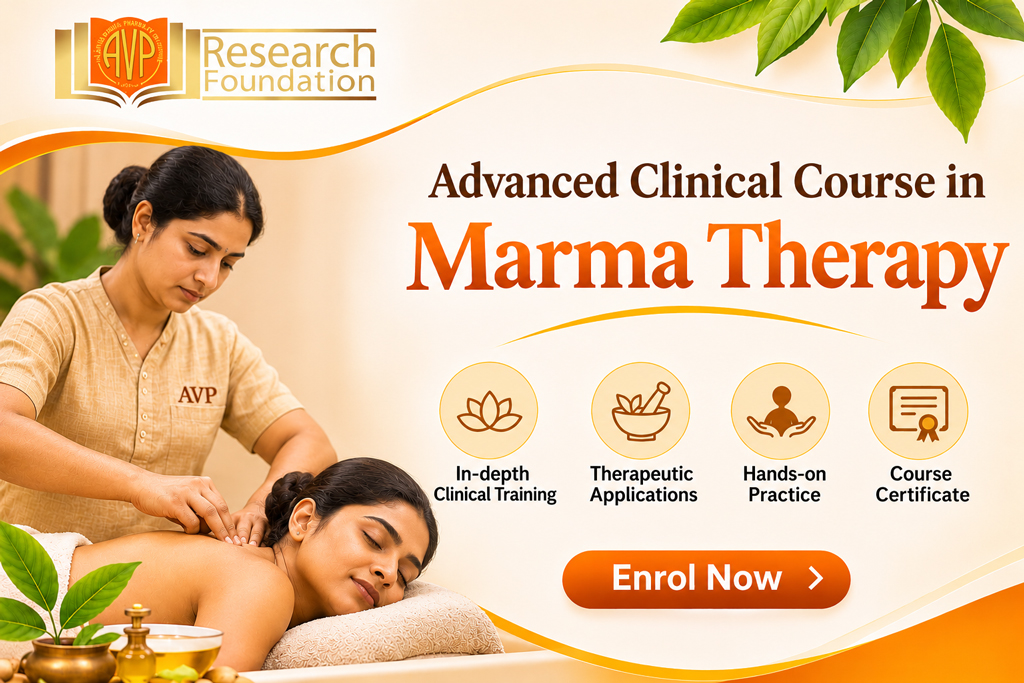
 Advance Your Clinical Skills with Marma Therapy! Admissions Open at AVP Research Foundation. Enrol Today!
Ayurveda Education
Advancing Ayurveda Through Knowledge, Clinical Training and Research
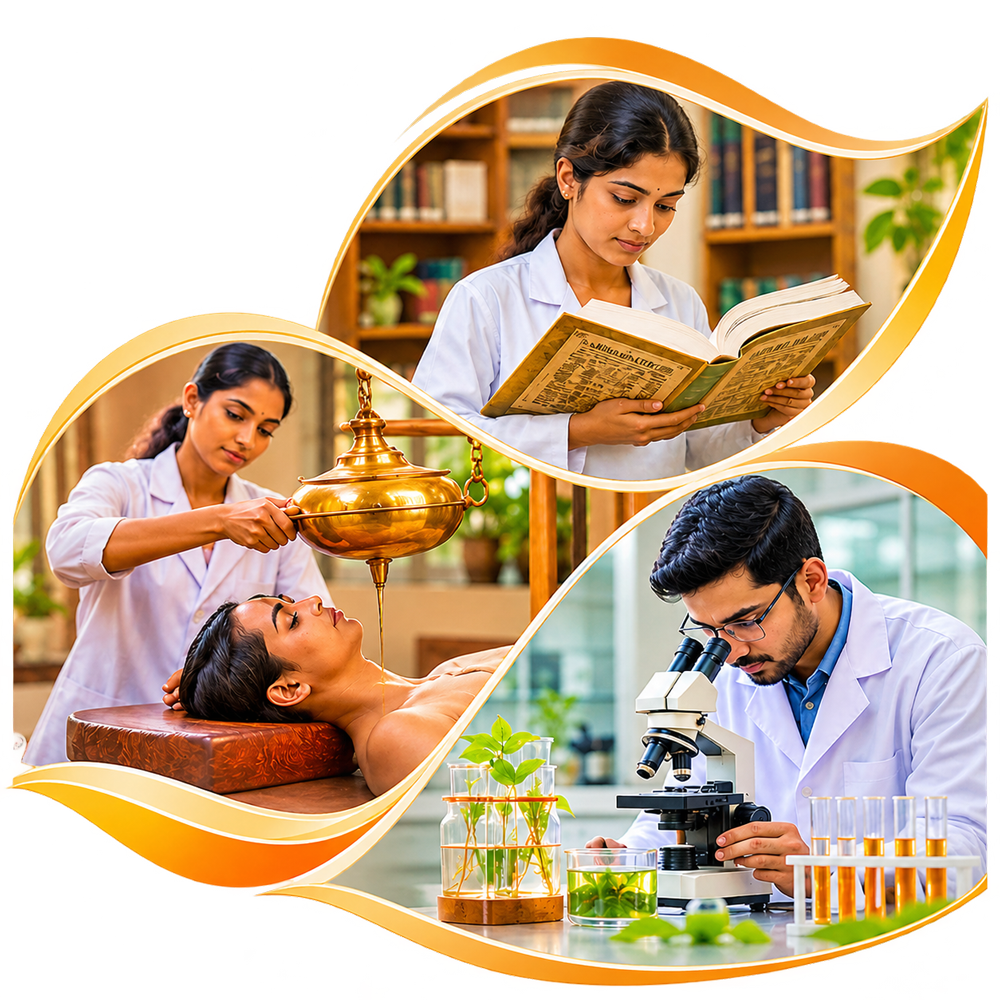
AVP Research Foundation (AVPRF) is committed to promoting Ayurveda education through structured learning programmes, practical clinical exposure and research-oriented educational initiatives. Our educational activities aim to support students, healthcare professionals and Ayurveda enthusiasts in developing a deeper understanding of Ayurvedic principles and their practical applications.
By bringing together traditional Ayurvedic knowledge, clinical experience and contemporary research perspectives, we strive to create meaningful learning opportunities that contribute to the growth and development of Ayurveda.
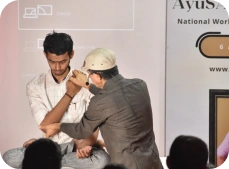
Reviving the Personalised Teaching Traditions of Ayurveda Preserving Traditional Wisdom Through Modern Educational Practices
Traditionally, Ayurveda education followed the Guru-Shishya Sampradaya, a teaching tradition in which teachers and students shared a close learning relationship through direct interaction, observation and practical experience.
Known for its personalised and experiential approach, this tradition emphasised mutual respect, individual guidance and the transmission of knowledge from teacher to student.
Recognising the importance of these traditional values, the AVP Group, under the leadership of Dr. P. R. Krishnakumar, introduced the Coimbatore Model of Ayurveda Education in the 1970s. This approach sought to integrate traditional teaching principles with modern educational practices, creating a more engaging and personalised learning environment.
The model emphasises direct teacher-student interaction, classical text-based learning, oral knowledge traditions, apprenticeship and practical clinical exposure.
The Coimbatore Model of Ayurveda Education
The Coimbatore Model represents an educational approach that values the depth of traditional Ayurvedic learning while recognising the importance of contemporary educational environments.
Its key principles include:- Direct interaction between teachers and students.
- Personalised guidance and mentorship.
- Learning through classical Ayurvedic texts.
- Transmission of knowledge through oral traditions.
- Apprenticeship and experiential learning.
- Practical exposure to clinical environments.
- Integration of traditional knowledge with contemporary learning practices.
Collaborative Work Culture
Clinical Research and AyuTRIALS
Cutting-Edge Facilities
Our Educational Programmes
1. Ayurveda Courses
Explore educational programmes designed to develop knowledge and professional skills in Ayurveda. Our courses cover foundational concepts, specialised clinical subjects and practical applications of traditional Ayurvedic therapies.
Our course offerings include:- Advanced Clinical Ayurveda Courses
- Basic Ayurveda Courses
- Marma Therapy Training
- Ayurveda Health Counselor Programmes
- Beauty Therapy Training
- Customized Onsite Courses for Foreign Nationals


2. Ayurveda Internship
Our Ayurveda Internship programmes provide learning opportunities for students and individuals interested in gaining exposure to Ayurvedic clinical practice and healthcare environments.
Internship activities may include:- Introduction to Ayurvedic principles and clinical practice
- Clinical observation and learning
- Understanding patient assessment and consultation processes
- Exposure to traditional Ayurvedic treatment approaches
- Introduction to research activities and documentation
- Guided educational experiences
3. Ayurveda Workshops
AVP Research Foundation conducts educational workshops and specialised training activities to encourage knowledge sharing and professional skill development in Ayurveda.
Workshops may focus on:- Specialised Ayurvedic therapies
- Marma therapy and clinical applications
- Practical demonstrations
- Traditional Ayurvedic treatment approaches
- Clinical knowledge enhancement
- Professional development and continuing education
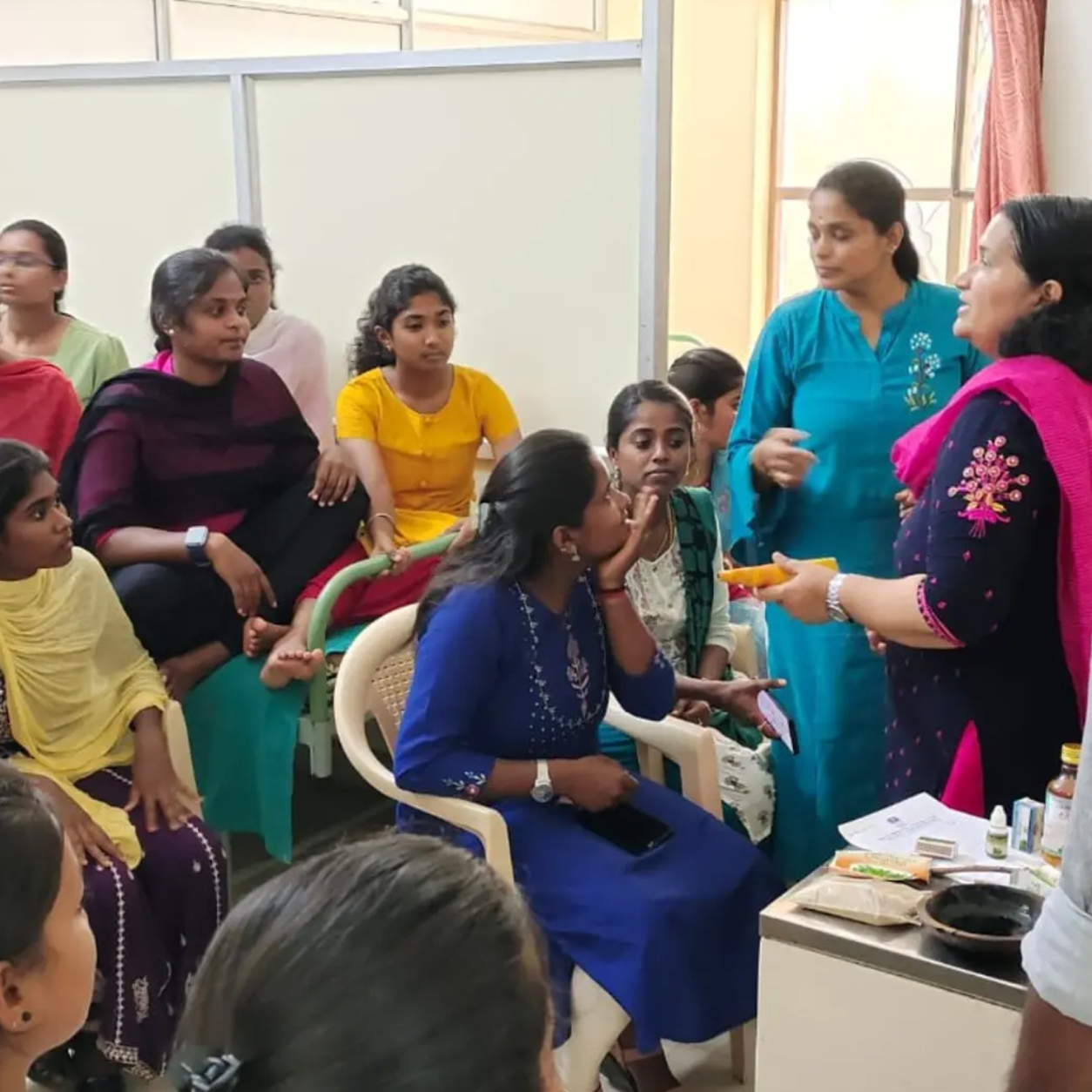
Why Choose AVP Research Foundation for Ayurveda Education?
AVP Research Foundation brings together Ayurveda education, clinical practice and research under one institutional platform.
Our educational initiatives emphasise:Integration of Traditional Knowledge
Clinical Learning Exposure
Personalised Learning
Research-Oriented Perspectives
Specialised Educational Opportunities
Continuous Professional Development
Who Can Benefit from Our Educational Programmes?
Ayurveda Students
Students seeking additional knowledge, practical understanding and exposure to Ayurvedic clinical environments.
Ayurveda Graduates
Graduates interested in expanding their knowledge and exploring specialised areas of Ayurveda.
Healthcare Professionals
Healthcare professionals interested in understanding Ayurvedic principles, therapies and traditional healthcare approaches.
Internship Applicants
Students and individuals seeking educational exposure to Ayurveda through internship opportunities.
International Participants
International learners interested in traditional Ayurvedic knowledge, structured courses and customised educational programmes.
Ayurveda Enthusiasts
Individuals interested in exploring classical Ayurvedic concepts, traditional practices and the principles of Ayurveda.
Eligibility and admission requirements may vary depending on the programme.
Frequently Asked Questions About Ayurveda Education
The Mukhāmukham tradition refers to face-to-face teaching, where a qualified teacher directly imparts knowledge to students. It emphasises personal interaction, trust, respect and individual guidance, allowing students to learn through observation, discussion and practical experience.
The Coimbatore Model of Ayurveda Education was introduced by the AVP Group under the leadership of Dr. P. R. Krishnakumar in the 1970s. It sought to integrate traditional Ayurvedic teaching methods with modern educational practices, emphasising personalised learning, direct teacher-student interaction and practical exposure.
The key features include:
-
- Mutual respect between teachers and students.
- Emphasis on classical Ayurvedic text-based learning.
- Transmission of knowledge through oral traditions.
- Importance of apprenticeship in Ayurveda education.
- Personalised learning and practical exposure.
Contact the Education Department
For enquiries about Ayurveda courses, internships, workshops and educational programmes, connect with our Education Department.
Email: education@avpresearch.org
Phone / WhatsApp: +91 9043214100
Website: https://avpresearch.org/
Explore. Learn. Practise. Advance Ayurveda.