 Admissions Open! Ongoing Ayurveda Courses & Internship Training —
Explore Courses & Register Now →
Admissions Open! Ongoing Ayurveda Courses & Internship Training —
Explore Courses & Register Now →
AVP Research Foundation | Clinical Care, Research & Ayurvedic Education
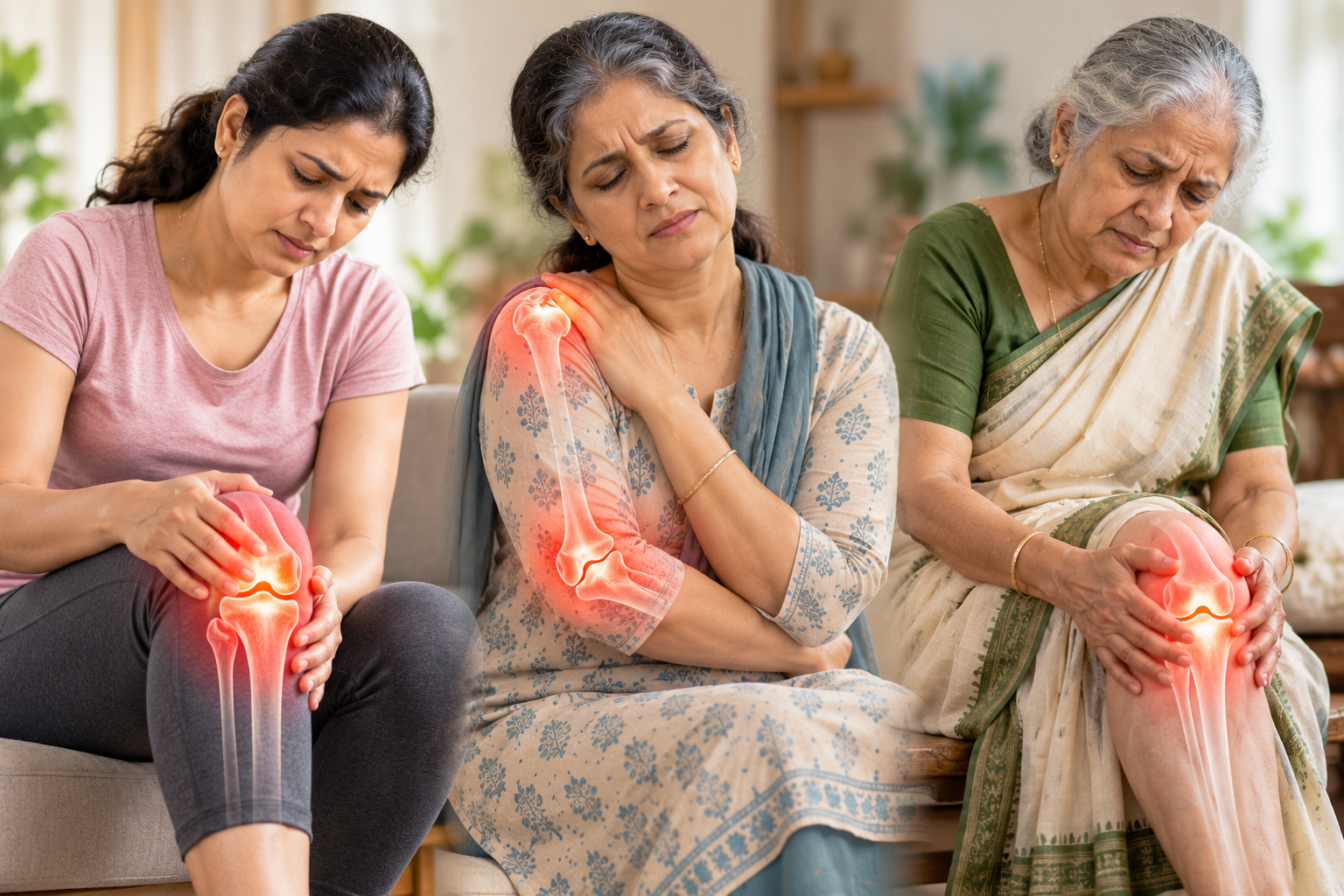
Sandhigata Vata (Osteoarthritis) in Women: An Evidence-Based Ayurveda Perspective on Hormonal Health
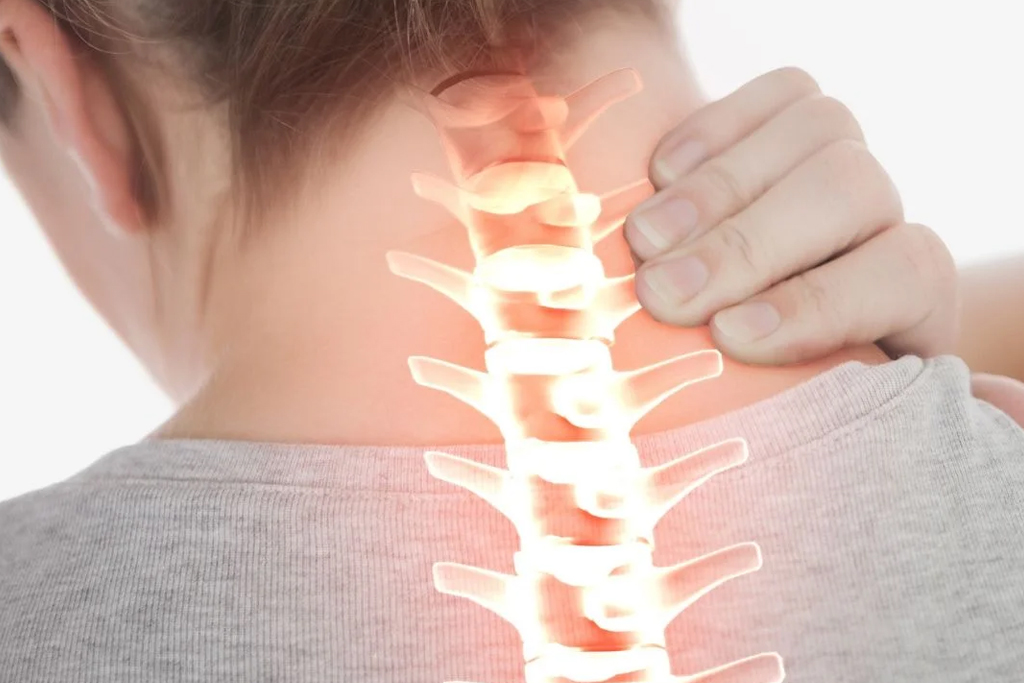
Sandhigata Vata, the Ayurvedic correlate of Osteoarthritis, is a degenerative joint disorder that develops when aggravated Vata Dosha localizes in the joints (Sandhi), causing progressive deterioration of cartilage, stiffness, pain, crepitus, and restricted movement. Women are particularly susceptible during the perimenopausal and postmenopausal years because the natural decline in estrogen coincides with the age-related predominance of Vata, accelerating tissue depletion (Dhatu Kshaya) and reducing the lubricating function of Sleshaka Kapha within the joints.
Article
Read the Full Story
Disease/Condition
Sandhigata Vata, the Ayurvedic correlate of Osteoarthritis, is a degenerative joint disorder that develops when aggravated Vata Dosha localizes in the joints (Sandhi), causing progressive deterioration of cartilage, stiffness, pain, crepitus, and restricted movement. Women are particularly susceptible during the perimenopausal and postmenopausal years because the natural decline in estrogen coincides with the age-related predominance of Vata, accelerating tissue depletion (Dhatu Kshaya) and reducing the lubricating function of Sleshaka Kapha within the joints.
According to Evidence-Based Ayurveda, the management of Sandhigata Vata extends beyond symptomatic relief. Personalized Ayurveda emphasizes correcting the underlying Vata imbalance through individualized disease management, including Vata-pacifying medicines and diet, Panchakarma therapies such as Abhyanga, Swedana, and Basti, Ayurvedic formulations, weight management, and lifestyle modifications that help preserve joint function and improve quality of life.
Research Studies
Recent Ayurveda Clinical Research and Integrative Medicine Research have strengthened the understanding of the relationship between hormonal imbalance and osteoarthritis. Modern studies demonstrate that estrogen plays a critical role in maintaining cartilage metabolism, regulating inflammatory cytokines, and preserving bone density. During menopause, declining estrogen levels increase inflammatory mediators such as IL-1β and TNF-α, accelerating cartilage degradation and joint inflammation.
From the perspective of Ayurveda and Modern Science, these biological changes closely parallel the Ayurvedic concept of age-related Vata aggravation and Dhatu Kshaya. This integration of Ayurveda and systems biology provides valuable clinical evidence illustrating how systemic hormonal changes contribute to joint degeneration. Ongoing translational Ayurveda research and Ayurvedic clinical trials continue to evaluate classical therapies using standardized clinical parameters, bridging traditional Ayurvedic concepts with contemporary biomedical research.
Publications
Published evidence demonstrates that Ayurvedic interventions, including Panchakarma therapies improve pain, stiffness, and functional mobility in osteoarthritis. Practice-based evidence supports individualized Ayurvedic management in routine clinical care, while studies on postmenopausal women identify estrogen deficiency as a key factor accelerating cartilage degeneration, reinforcing the integration of hormonal health with Ayurveda-based osteoarthritis management.
Clinical Outcomes
Current Ayurveda Healthcare Research indicates that integrated management combining Panchakarma, individualised Ayurvedic formulations, lifestyle and dietary interventions can reduce joint pain, improve flexibility, and enhance daily functional capacity. Modern clinical outcomes research increasingly utilizes validated assessment tools, including the Western Ontario and McMaster Universities Osteoarthritis Index (WOMAC), to objectively evaluate patient progress. Such findings support the role of personalized Ayurveda as an approach for long-term osteoarthritis management.
Experts - Based on AVPRF
Advancing scientific validation requires collaboration between Ayurveda research institutes, research foundations, clinicians, and interdisciplinary scientists. These organizations conduct Ayurvedic clinical trials, promote Ayurvedic drug development, support translational research, and leverage health informatics to strengthen traditional knowledge research. Their work continues to position Ayurveda as an important contributor to integrative medicine and answers the growing question of how Ayurveda is researched scientifically.
Courses - Based on AVPRF
Healthcare professionals can expand their expertise through Ayurveda education programs, Continuing Medical Education (CME), Panchakarma certification, musculoskeletal rehabilitation, yoga therapy, nutrition, lifestyle medicine, and clinical research methodology. These programs provide a deeper understanding of Evidence-Based Ayurveda, modern research methods, and holistic approaches to women's musculoskeletal health.
FAQs
Frequently Asked Questions
Yes. Hormonal changes, especially declining estrogen levels after menopause, can weaken cartilage and bones, making women more prone to osteoarthritis.
Not always. Many people can effectively manage osteoarthritis with early diagnosis, Ayurvedic treatment, weight management, exercise, and lifestyle modifications. Surgery is usually considered only in advanced cases.
Yes. Gentle, low-impact exercises such as walking, yoga, stretching, and swimming can reduce stiffness, improve flexibility, and strengthen the muscles supporting your joints. Consult your physician before starting any exercise program.
Ayurveda focuses on addressing the underlying Vata imbalance through individualised medicines, diet, Panchakarma therapies, and lifestyle changes. Many patients experience improved pain relief, better mobility, and enhanced quality of life with consistent treatment
Maintain a healthy weight, eat freshly prepared balanced meals, stay physically active, avoid prolonged sitting, get adequate sleep, and follow your physician's advice. These simple habits can go a long way in supporting healthy joints.
References
References
- World Health Organization. Osteoarthritis [Internet]. Geneva: World Health Organization; 2023 [cited 2026 Jul 24]. Available from: https://www.who.int/news-room/fact-sheets/detail/osteoarthritis
- Singh P, Mishra S, Shukla A. Clinical evaluation of Ayurvedic management of Sandhigata Vata (Osteoarthritis). Recents Adv Ayurveda Res. 2013;4(2):87-94. Available from: https://pmc.ncbi.nlm.nih.gov/articles/PMC3764880/
- Xiao Y, Zhang L, Smith J. The role of estrogen and its receptors in osteoarthritis development. Front Endocrinol. 2022;13:939736. Available from: https://pmc.ncbi.nlm.nih.gov/articles/PMC9397736/
- Sniekers YH, Weinans H, Bierma-Zeinstra SMA, van Leeuwen JPTM, van Osch GJVM. The role of estrogen in osteoarthritis and lower back pain. Rheumatol Int. 2008;28(11):1067-1073. Available from: https://link.springer.com/article/10.1007/s00296-008-0708-5
Keep Reading
Related Articles
Need Personalised Ayurvedic Guidance?
Speak with our specialists and receive a treatment plan tailored to your health needs.
Book an Appointment