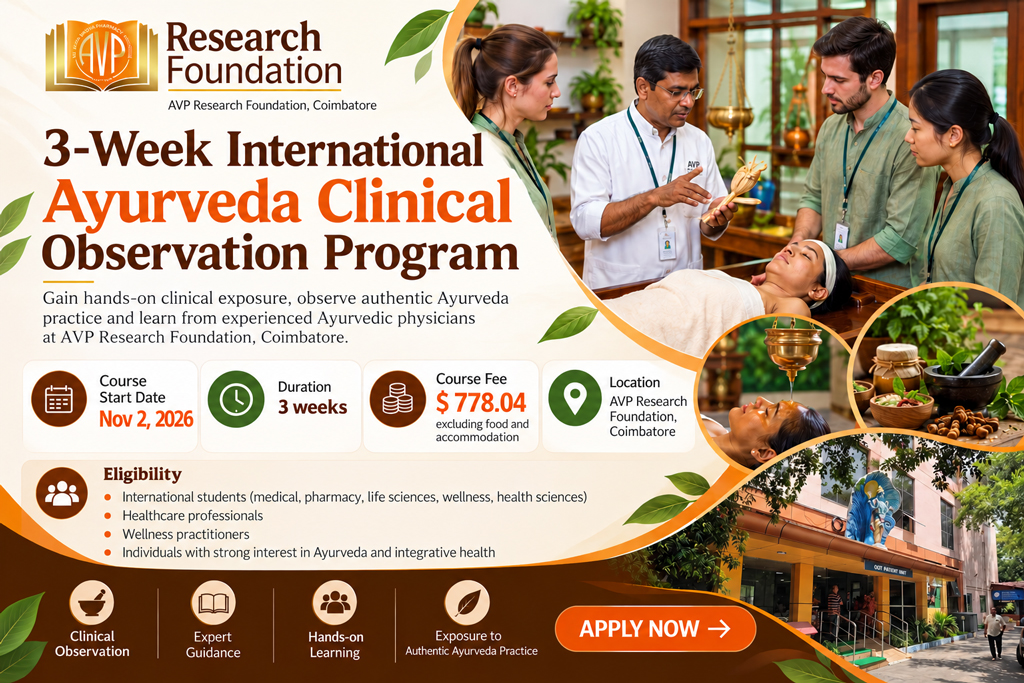
 Admissions Open! Ongoing Ayurveda Courses & Internship Training —
Explore Courses & Register Now →

AVP Research Foundation | Clinical Care, Research & Ayurvedic Education
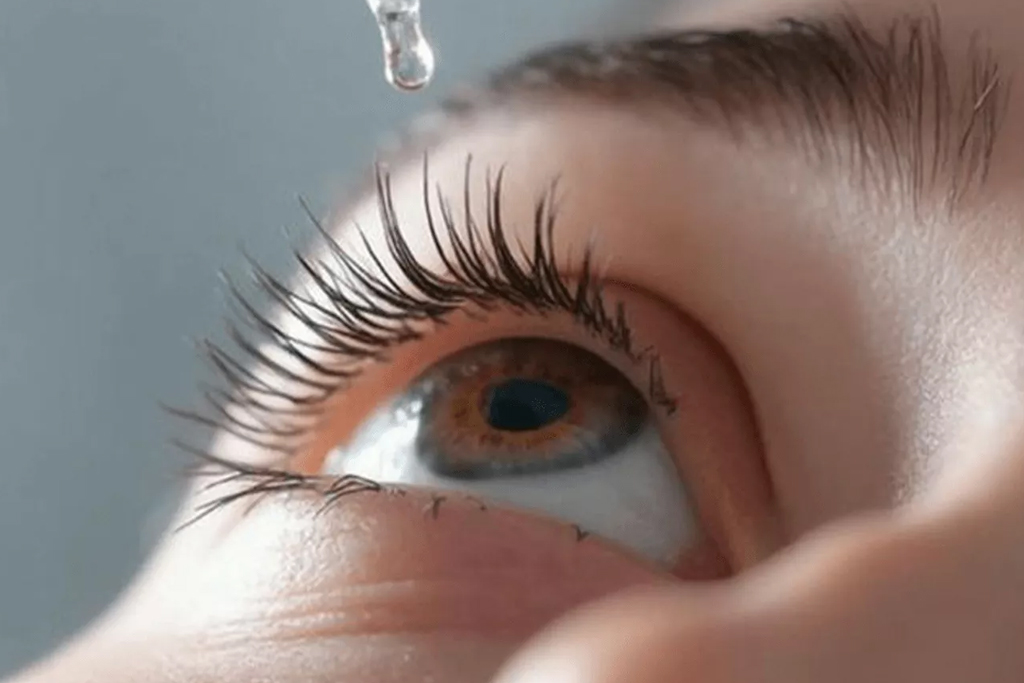
Eye Care as per Ayurveda: A Gentle Guide to Healthy Eyes
Article
Read the Full Story
Eye Care as per Ayurveda: A Gentle Guide to Healthy Eyes
Our eyes play an important role in how we experience and understand the world around us. Maintaining healthy eyes involves more than responding to problems after they appear. Everyday habits, nutrition, rest, hygiene and appropriate medical care all have a role in supporting eye health.
Ayurveda places emphasis on personalised care, balanced living and prevention. Within Ayurveda, Netra Chikitsa refers to approaches related to eye care and includes dietary, lifestyle and specialised therapeutic practices.
Ayurvedic approaches can be considered as part of an individualised healthcare plan, but they should not be viewed as a replacement for appropriate eye examinations, diagnosis or treatment by qualified eye-care professionals.
What Does Ayurveda Say About Healthy Eyes?
Ayurvedic literature gives importance to the eyes as an important sense organ. Traditional approaches focus on maintaining overall balance through suitable food, daily routines, adequate rest and individualised care.
Certain specialised procedures, including Netra Tarpana and Aschyotana, are described in Ayurvedic practice. These are not ordinary home remedies and should only be considered after professional assessment and under appropriate supervision.
Support Your Eyes Through Healthy Habits
A balanced diet containing a variety of vegetables, fruits and other nutritious foods can contribute to overall health. Dark leafy greens and other colourful vegetables can be part of a healthy diet that supports general eye health.
Adequate sleep, regular rest and sensible screen habits can also help reduce eye fatigue associated with prolonged visual tasks.
Protect Your Eyes During Daily Activities
Simple habits can make a difference:
- Avoid unnecessarily rubbing your eyes.
- Wash your hands before touching your eyes or contact lenses.
- Protect your eyes from dust, irritants and injuries.
- Use appropriate protective eyewear when required.
- Take regular breaks during prolonged screen use.
- Keep your screen brightness and surrounding lighting comfortable.
For prolonged computer or screen work, the National Eye Institute recommends giving your eyes regular breaks, including the 20-20-20 approach: every 20 minutes, look about 20 feet away for 20 seconds.
Ayurveda and Modern Eye Care
Ayurvedic care and modern ophthalmic care do not have to be viewed as competing approaches. Depending on the person's condition, Ayurvedic care may be considered alongside appropriate medical evaluation.
Regular eye examinations remain important because some eye diseases may develop without obvious early symptoms. A comprehensive eye examination can help identify problems at an earlier stage.
When Should You Seek Medical Attention?
Do not delay professional eye care if you experience sudden vision loss, severe eye pain, significant redness with pain, new flashes or floaters, persistent blurred vision, or an eye injury or chemical exposure.
These symptoms may require prompt assessment.
Conclusion
Healthy eyes are supported by healthy habits, appropriate nutrition, adequate rest, eye protection and regular professional examinations. Ayurveda offers traditional perspectives on personalised eye care, while modern eye examinations remain an important part of protecting vision.
If you are considering Ayurvedic eye therapies, consult a qualified practitioner rather than attempting procedures or applying substances to the eyes on your own.
FAQs
Frequently Asked Questions
Ayurvedic eye care, or Netra Chikitsa, refers to traditional Ayurvedic approaches to maintaining and caring for the eyes, including lifestyle, diet and selected specialised therapies.
Netra Chikitsa is the Ayurvedic approach to eye care and includes traditional dietary, lifestyle and therapeutic practices.
No. Netra Tarpana is a specialised procedure and should only be considered under guidance from a qualified practitioner.
A balanced diet, adequate rest, healthy lifestyle habits, eye protection and regular professional eye examinations can all contribute to maintaining eye health.
Keep Reading
Related Articles


Need Personalised Ayurvedic Guidance?
Speak with our specialists and receive a treatment plan tailored to your health needs.
Book an Appointment